People living with dementia have changes in their brains that make meeting their needs harder, but not impossible. This module and course materials will start your learning on how to help people with dementia thrive in spite of their brain challenges.
Negative things that happen during the day use more energy than positive ones. How we approach people living with dementia is usually what makes the difference between negative and positive interactions.
The job of new parents is to figure out what their baby’s cries mean, so the parents can meet their needs. The job of caregivers of people living with dementia is to figure out what their behavior is communicating, and meet the person’s needs.
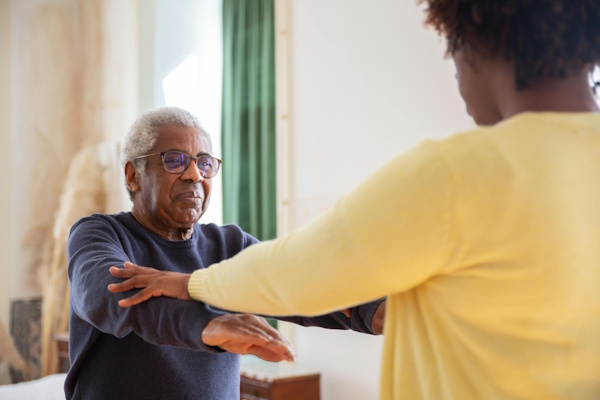
This module and course materials teaches a fundamental skill called the Positive Physical Approach. This skill is recommended by experts in the field including the Centers for Medicare Services (CMS) and the Veterans Administration (VA). The motto of this skill is “Spend 5 to save 20“. It may feel like you don’t have time for the positive approach, but the investment is worth it. Every Time.
The dementia skills training courses were created based on best practices from all sources. M.E.S.S.A.G.E is a tool from Australia that teaches us how to talk with people living with dementia and make a genuine connection. When caregivers use this skill they meet high level needs and promote increased quality of life.
People living with dementia will have times they become anxious and confused. This module and course materials will teach you the 3R technique or how to Repeat, Reframe, and Redirect the person with dementia from an upsetting moment, to one of connection.
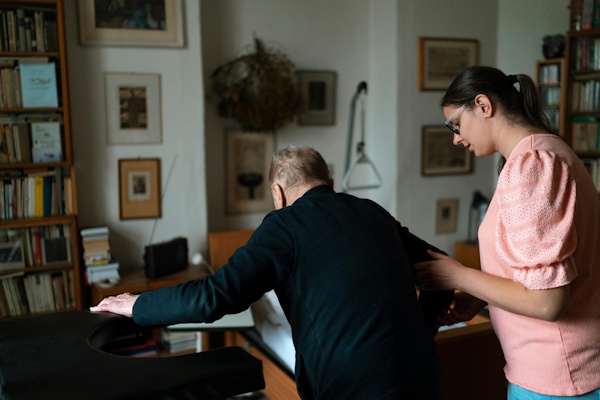
Environments and routines matter to all of us. It is hard to relax in a cluttered,crowded or loud environment. On the flip side we look forward to our routines like a cup of coffee in the morning, or a warm bubble bath at night. People living with dementia are even more sensitive to their environments, and more dependent on their daily routines.
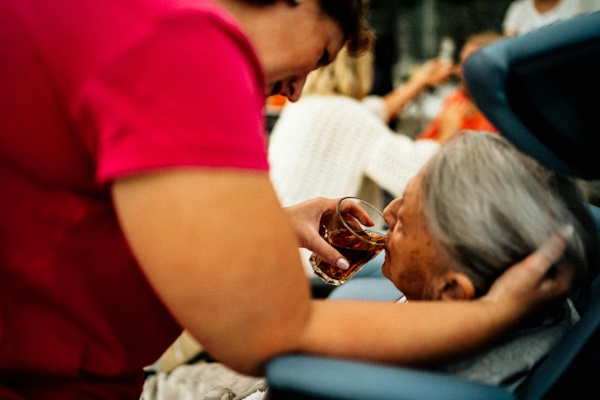
Personal care is Personal. We have been taught to keep our private parts Private. It is natural for people living with dementia to react when people they may not recognize want to touch their private parts and give them personal care. This is why personal care often triggers a stress response. Fortunately, there are ways to help avoid triggering the response.
A personalized care plan, that everyone follows, makes the difference in quality of life for people with dementia and their care partners. It is a roadmap to initiating a good mood with the person with dementia, maintaining it throughout the day, and saving energy for quality of life moments.
In Module one we learned that every person living with dementia is unique, but share some similar needs. This is also true for caregivers. Each one has unique circumstances, resources and challenges, but together they share many of the same needs.
This module may be hard for many of us to view. People with dementia are extremely vulnerable to being abuse, neglected or exploited. As Friends to people living with dementia, it is a privilege to help protect and ensure justice for them.