
Are YOU a Caregiver?
If you help another person accomplish their “Activities of Daily Living” like bathing, dressing, or using the toilet, or help them with activities such as shopping, cooking, or cleaning, YOU are a caregiver. Luckily most of us are very skilled with many of these tasks. However caregivers are also being asked to help with more complicated tasks like medications, wound and diabetic care.
Family caregivers often feel stressed about performing these tasks and worry about making mistakes. The Home Alone AllianceSM is dedicated to creating solutions geared towards supporting family caregivers performing these complex tasks.
Our skill modules use videos from the Home Alone Alliance, along with the best materials we could find from around the world to help caregivers feel confident and increase their skills. Most Videos and Tip sheets are available in Spanish on the Home Alone AllianceSM website.
Caregivers are special people who allow older and disabled Idahoans to continue to live in their own homes and communities.
Caregiver Skills: Mobility
Caregiver Skills: Special Diets
Caregiver Skills: Wound Care
Caregiver Skills: Incontinence
Caregiver Skills: Managing Medications
Caregiver Skills: Specialized Medical Equipment
Caregiver Skills: Dementia
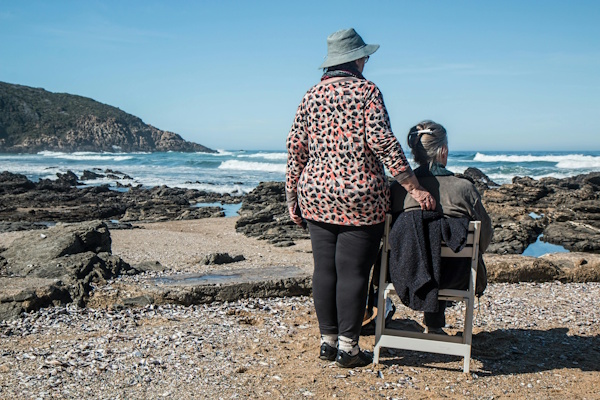
This project focuses on enhancing the quality of life for persons with dementia and their caregivers. The project strengthens dementia capability for service providers, public, family caregivers, and education programs.

Caring for someone with incontinence can be challenging, but with the right skills and strategies, caregivers can provide compassionate, effective support while maintaining dignity and comfort for their loved one.

Managing medications is a critical part of caregiving, and understanding proper dosages, timing, and side effects helps ensure your loved one stays safe, healthy, and on track with their treatment plan.
Getting out of bed and out of the house is important for the mental and physical health of both the caregiver and the care receiver. Eating out with friends, visiting family, and attending church is still possible despite mobility challenges.
Medical Machines can be intimidating. No one wants to make mistakes and possibly hurt the one you are caring for. But many others have mastered these contraptions, and with a little help you will too!
Managing special diets means knowing how to prepare meals that meet medical, cultural, or personal needs—while ensuring proper nutrition, safety, and mealtime enjoyment.
Wound care requires careful attention to cleanliness, proper dressing techniques, and monitoring for signs of infection to promote healing and protect your loved one’s health.